Chat with Jasmine for personalized recommendations.
Ready to Take the First Step?
Chat with Jasmine or book a consultation. We're here to help you feel better, naturally.
Get personalized guidance
Find a time that works for you
What Is Acupuncture? Q&A (1)
Improved Passage
Today, acupuncture is widely integrated into modern healthcare, where it complements conventional medicine for pain management, stress reduction, improved function, and enhanced wellness.
How Does Acupuncture Work?
According to Traditional Chinese Medicine, health depends on unobstructed Qi (pronounced "chee")—the body's vital energy—flowing through pathways called meridians. Blocked or imbalanced Qi leads to pain and illness.
Modern research suggests acupuncture may:
Stimulate the nervous system
Trigger endorphin and natural pain-reliever release
Improve circulation
Reduce inflammation
Relax muscles
Regulate stress response
Support tissue healing
Both traditional and modern perspectives recognize acupuncture as a tool to activate the body's inherent healing capacity.
What Conditions Can Acupuncture Treat?
Acupuncture may benefit numerous conditions, including:
Treatment plans are individualized to your specific concerns.
What Happens During My First Visit?
Your initial visit includes a comprehensive consultation covering:
Your primary concerns • Medical history • Current symptoms • Lifestyle, sleep, and digestion • Stress levels • Health goals
Your acupuncturist may also assess your pulse and tongue to evaluate your body's current state of balance, then develop a customized treatment plan.
Why Do Acupuncturists Check Tongue and Pulse?
Tongue and pulse assessment are diagnostic tools in Traditional Chinese Medicine. They reveal patterns of imbalance and guide selection of appropriate acupuncture points and treatment strategy.
Does Acupuncture Hurt?
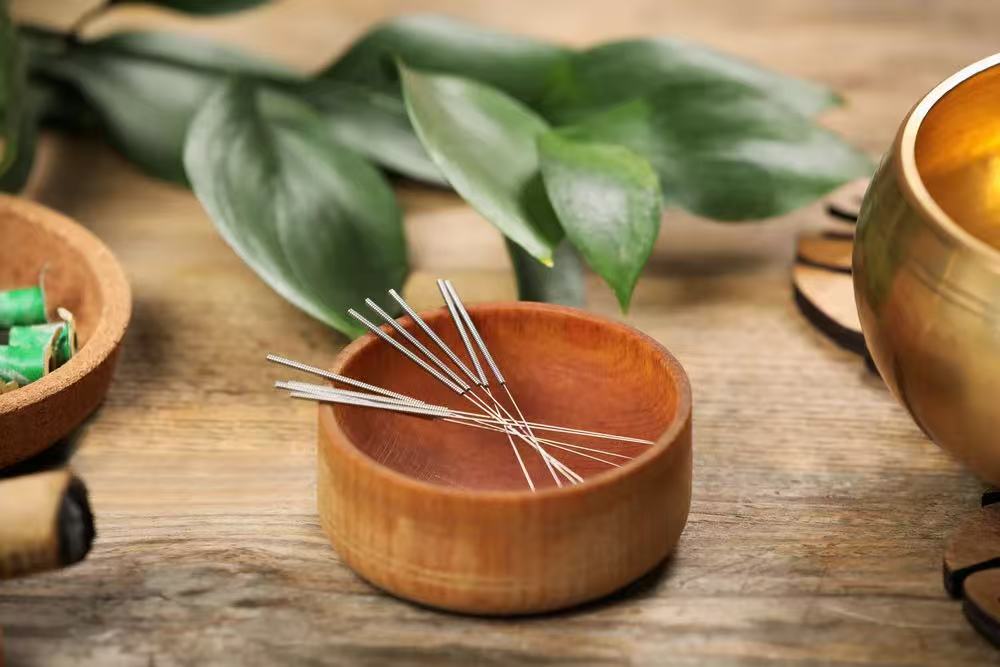
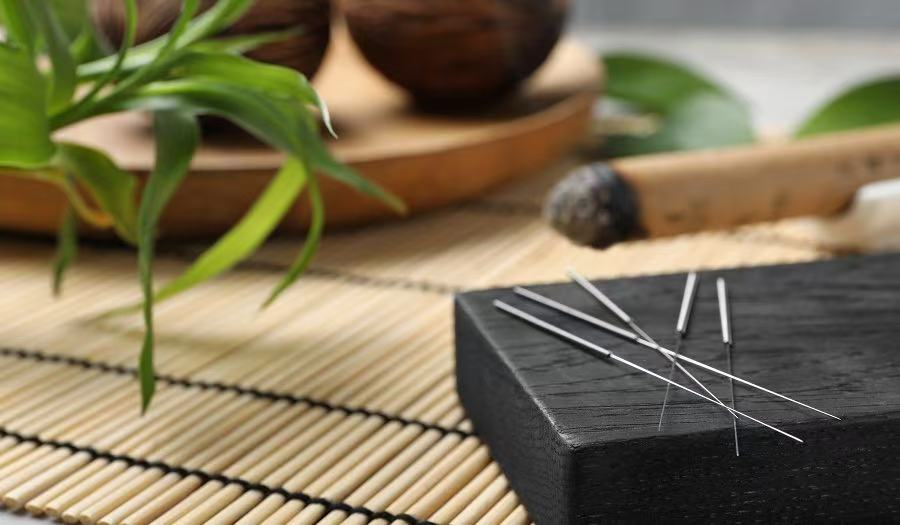
Most people are pleasantly surprised by acupuncture's comfort. Needles are extremely thin—much thinner than injection needles. You may feel a brief sensation on insertion, followed by warmth, heaviness, tingling, or relaxation. Many patients fall asleep during treatment.
Is Acupuncture Safe?
Yes. When performed by a licensed, properly trained practitioner, acupuncture is very safe. Our clinic uses:
Treatment frequency depends on your condition, how long you've had it, your overall health, and your goals.
What Should I Wear?
Wear loose, comfortable clothing allowing easy access to your arms and legs. Gowns or draping are available to ensure privacy.
Should I Eat Before My Appointment?
Yes. Eat a light meal or snack beforehand. Avoid arriving hungry and stay well hydrated before and after treatment.
Can Children Receive Acupuncture?
Yes. Acupuncture is safe and effective for children under an experienced practitioner. Pediatric treatments are typically shorter and may use fewer needles or needle-free techniques when appropriate.
What Is Electroacupuncture?
Electroacupuncture combines traditional acupuncture with gentle electrical stimulation applied to selected needles. It may be recommended to:
The stimulation is gentle, adjustable, and comfortable.
What Is Moxibustion?
Moxibustion applies the gentle warmth of mugwort (moxa) near specific acupuncture points. It commonly:
Improves circulation • Warms the body • Relieves pain • Supports digestion • Strengthens immunity • Promotes healing
Do You Offer Other Traditional Chinese Medicine Therapies?
Your treatment plan may include:
Cupping Therapy • Gua Sha • Tui Na Medical Massage • Herbal Medicine • Electroacupuncture • Moxibustion • Lifestyle and nutritional recommendations
These therapies are often combined with acupuncture for optimal outcomes.
How Many Treatments Will I Need?
Results vary. Some patients improve after one or two visits, while chronic conditions typically require a series of treatments. Your acupuncturist will recommend a personalized plan based on your condition and goals.
Ready to Begin Your Healing Journey?
Whether you seek pain relief, injury recovery, stress management, better sleep, or optimal health, we help you restore balance through personalized, evidence-informed Traditional Chinese Medicine.
Acupuncture has been practiced for thousands of years and is now increasingly supported by modern clinical research. Around the world, hospitals, physicians, and healthcare systems are integrating acupuncture and Traditional Chinese Medicine (TCM) into comprehensive patient care because of its safety profile, low rate of side effects, and potential to improve quality of life.